How Scale and Replica Models Are Used Across the Modern UK Defence Industry
Scale and replica models in the UK defence industry
Scale and replica models in the UK defence industry remain a critical tool for procurement, capability integration, training and stakeholder engagement across land, sea and air domains. Despite advances in digital twins and simulation, UK defence organisations continue to rely on physical models to communicate complex systems clearly, securely and effectively.
For over six decades, Defence Models UK (DMUK) has supported the Ministry of Defence (MOD), Defence Equipment & Support (DE&S), prime contractors and defence SMEs with specialist presentation, display and training models. This article explains where, why and how physical defence models are used today, and how they fit within modern UK defence procurement and capability frameworks.
What are defence scale and replica models in the UK context?
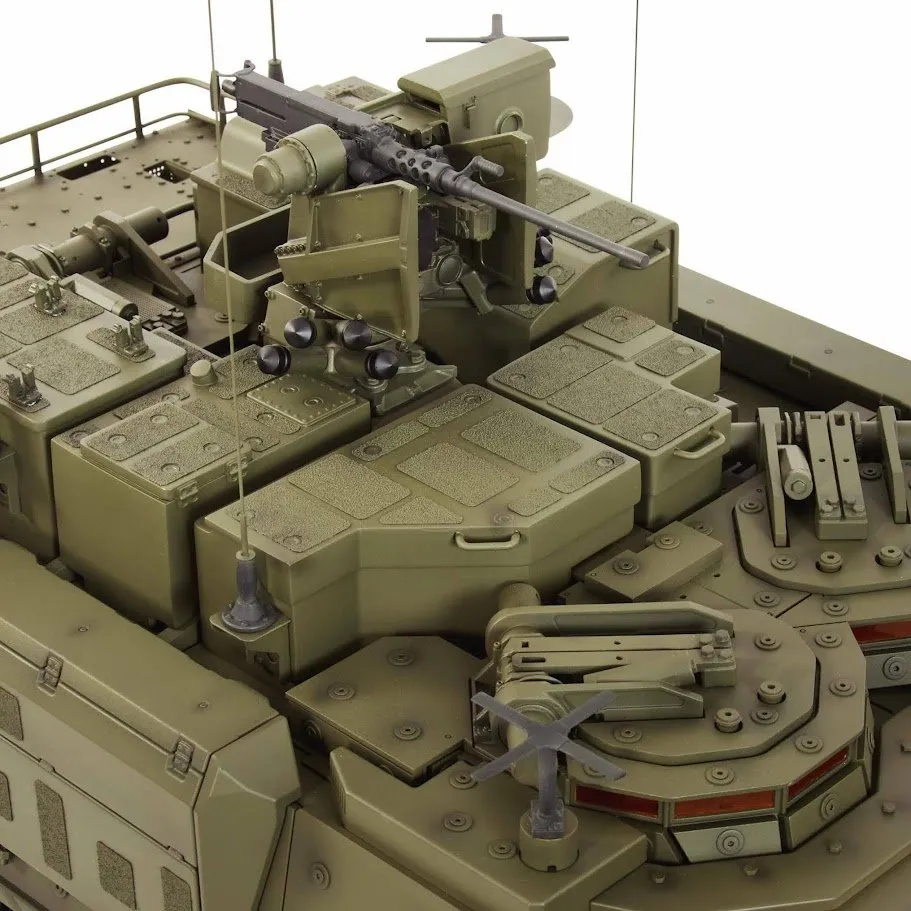
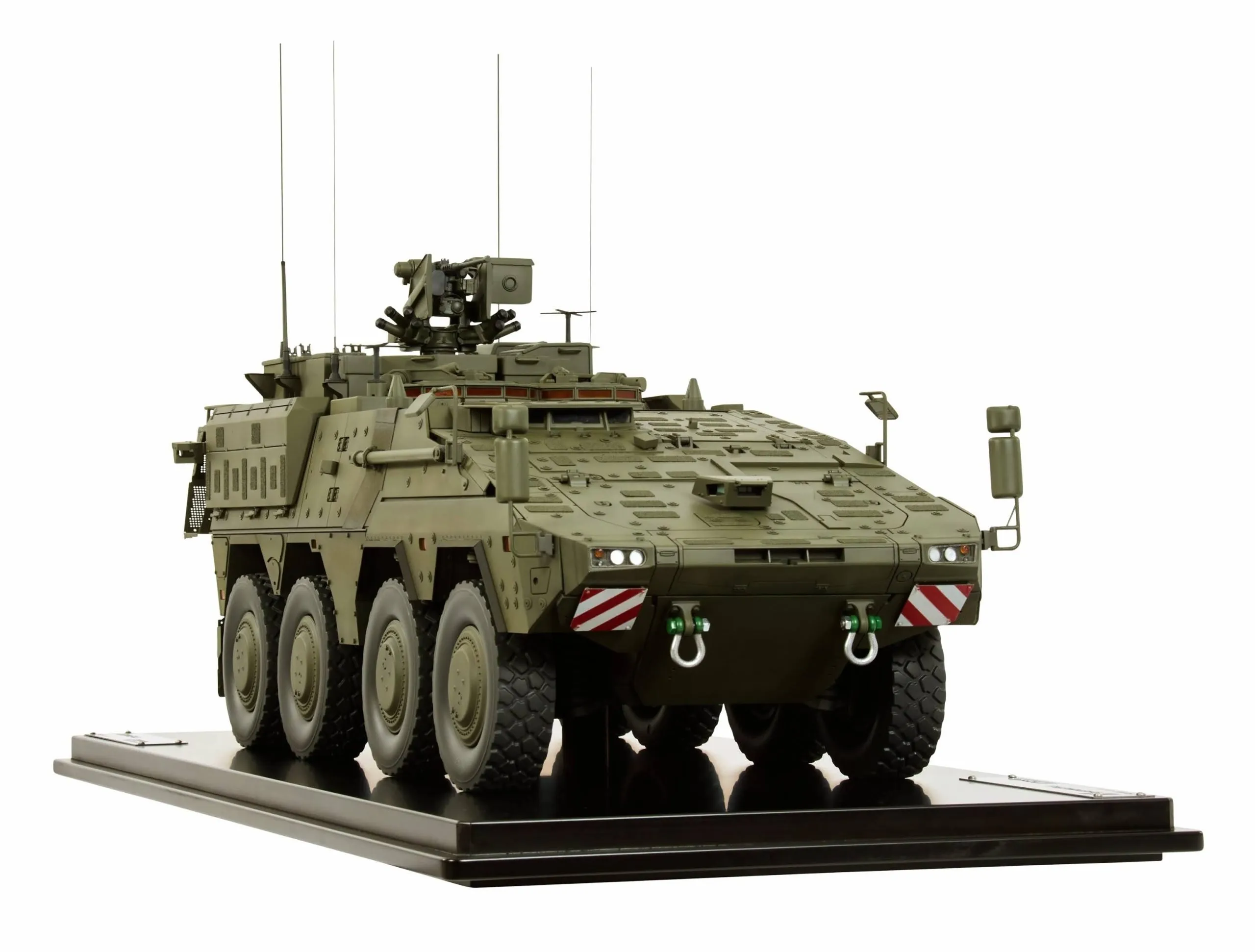
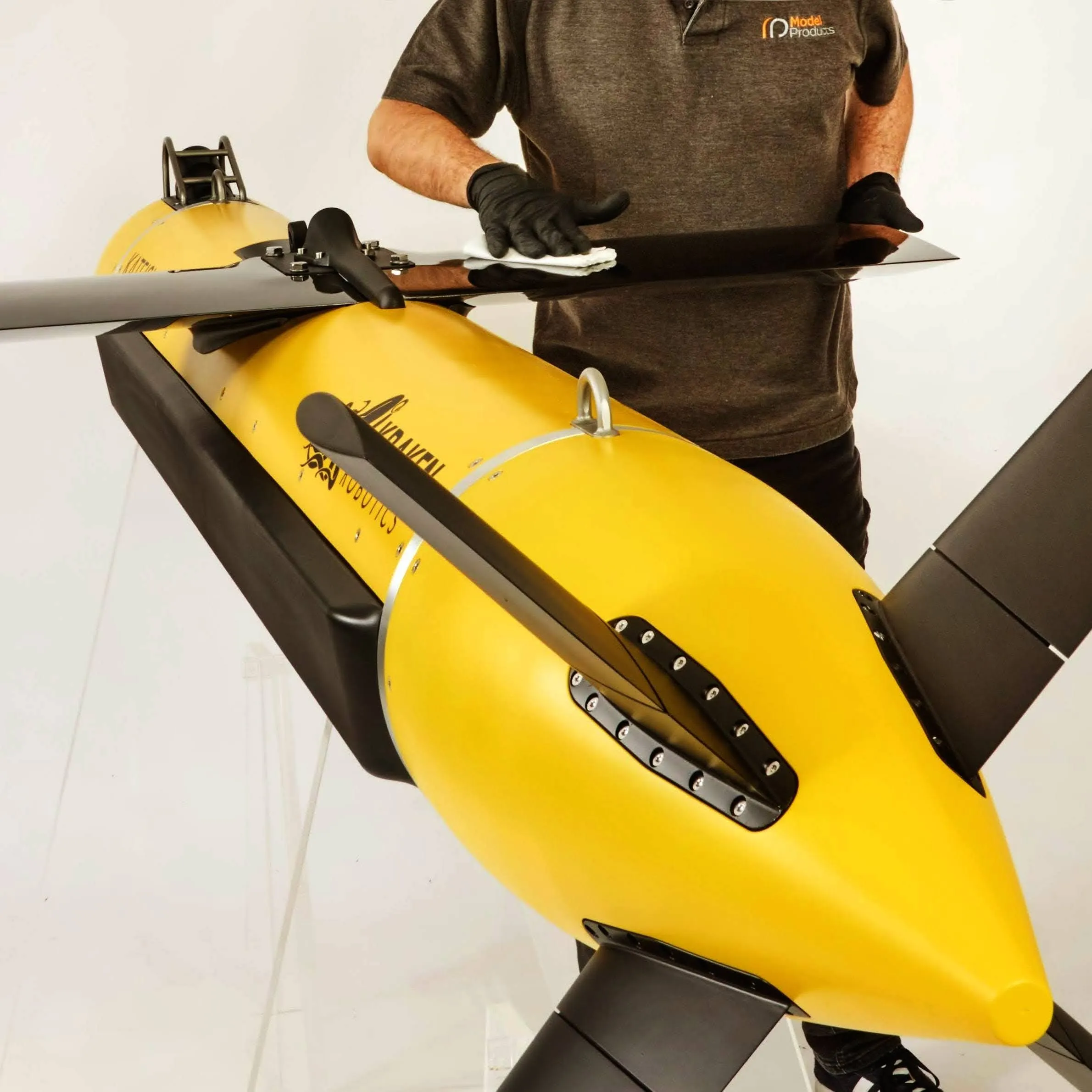
Defence scale and replica models are physical, accurately proportioned representations of military platforms, systems or infrastructure used to support procurement, engineering, training and engagement activities. In the UK context, they are typically commissioned by MOD, DE&S or defence contractors for controlled, professional environments rather than consumer display.
Supporting evidence and context
Within UK defence, models are used to:
- Visualise complex platforms and systems
- Support structured procurement and capability discussions
- Enable cross-discipline understanding without exposing sensitive data
They are commonly used alongside official MOD processes and industry engagement frameworks described by the Ministry of Defence and DE&S.
https://www.gov.uk/government/organisations/ministry-of-defence
https://www.gov.uk/government/organisations/defence-equipment-and-support
Example scenarios
A defence programme team may use a scale model to explain system integration to non-engineering stakeholders, or to support internal decision-making without distributing detailed CAD files.
Additional nuance
Models are produced at varying scales and fidelity depending on audience, classification and purpose, with careful control of what is shown and what is deliberately omitted.
Why do MOD and defence contractors still rely on physical models in a digital era?
Physical models remain valuable because they provide shared, intuitive understanding that digital tools alone cannot always achieve, particularly in multi-stakeholder defence environments. They reduce ambiguity, support discussion and avoid over-reliance on specialist software.
Supporting evidence and context
UK defence increasingly uses digital twins and simulation, supported by organisations such as DSTL, but physical artefacts remain important in early-stage engagement and cross-functional reviews.
https://www.gov.uk/government/organisations/defence-science-and-technology-laboratory
RUSI has consistently highlighted the need for clear communication across procurement, operational and industrial stakeholders.
https://www.rusi.org/
Example scenarios
During early concept reviews, a physical model can anchor discussion while digital data is referenced selectively, ensuring all participants remain aligned.
Additional nuance
Physical models complement digital tools rather than competing with them, particularly where time, access or security constraints limit full digital collaboration.
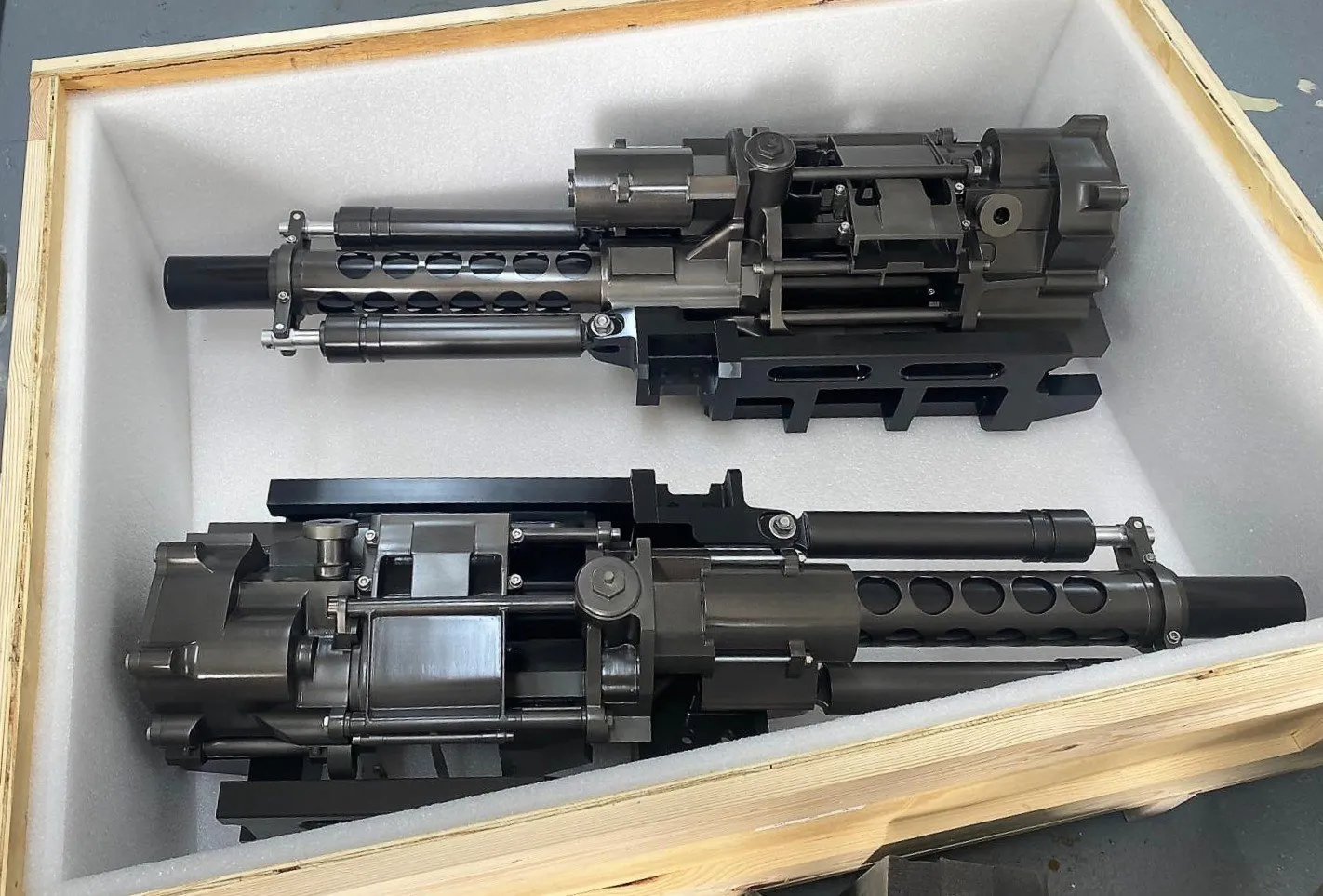
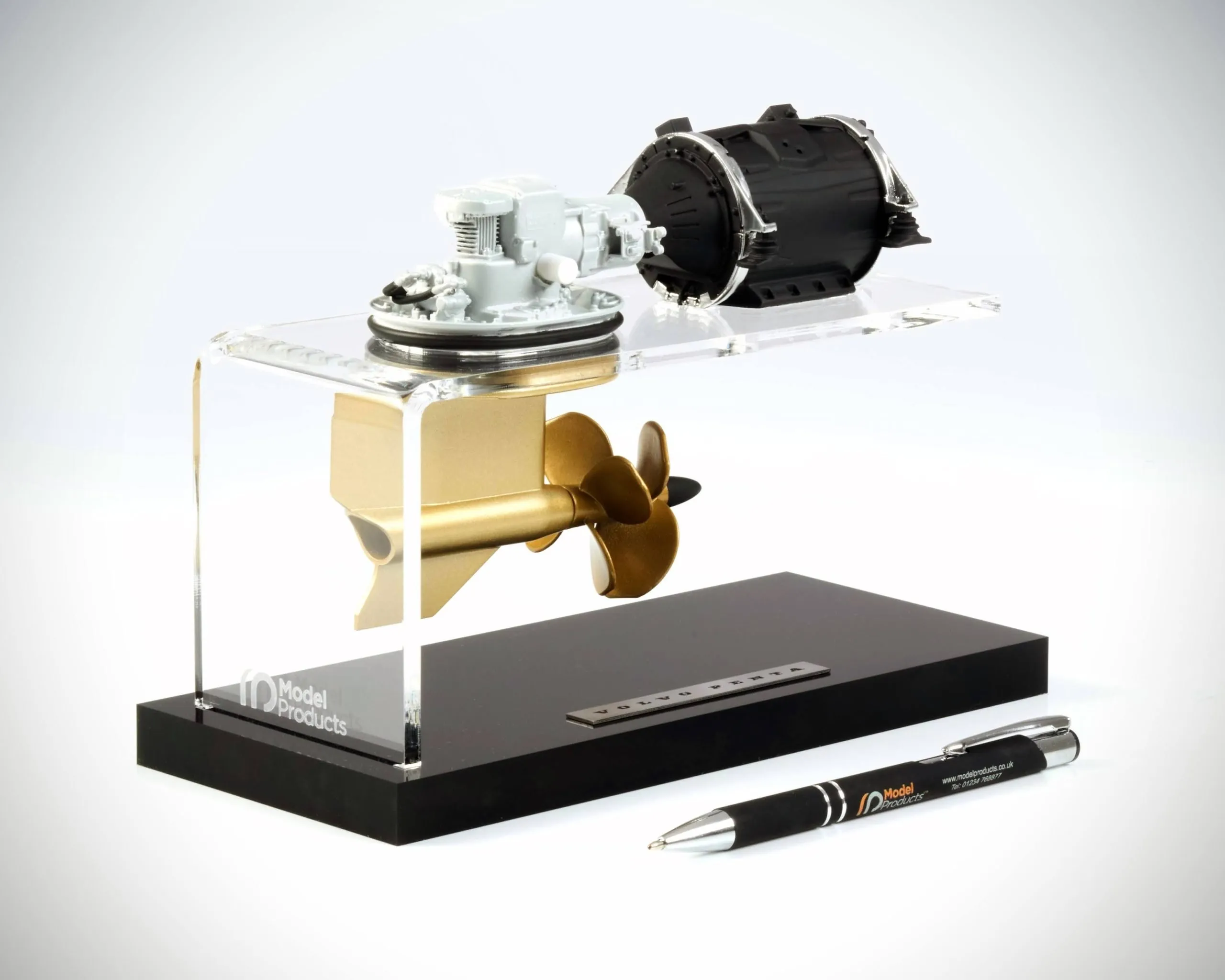
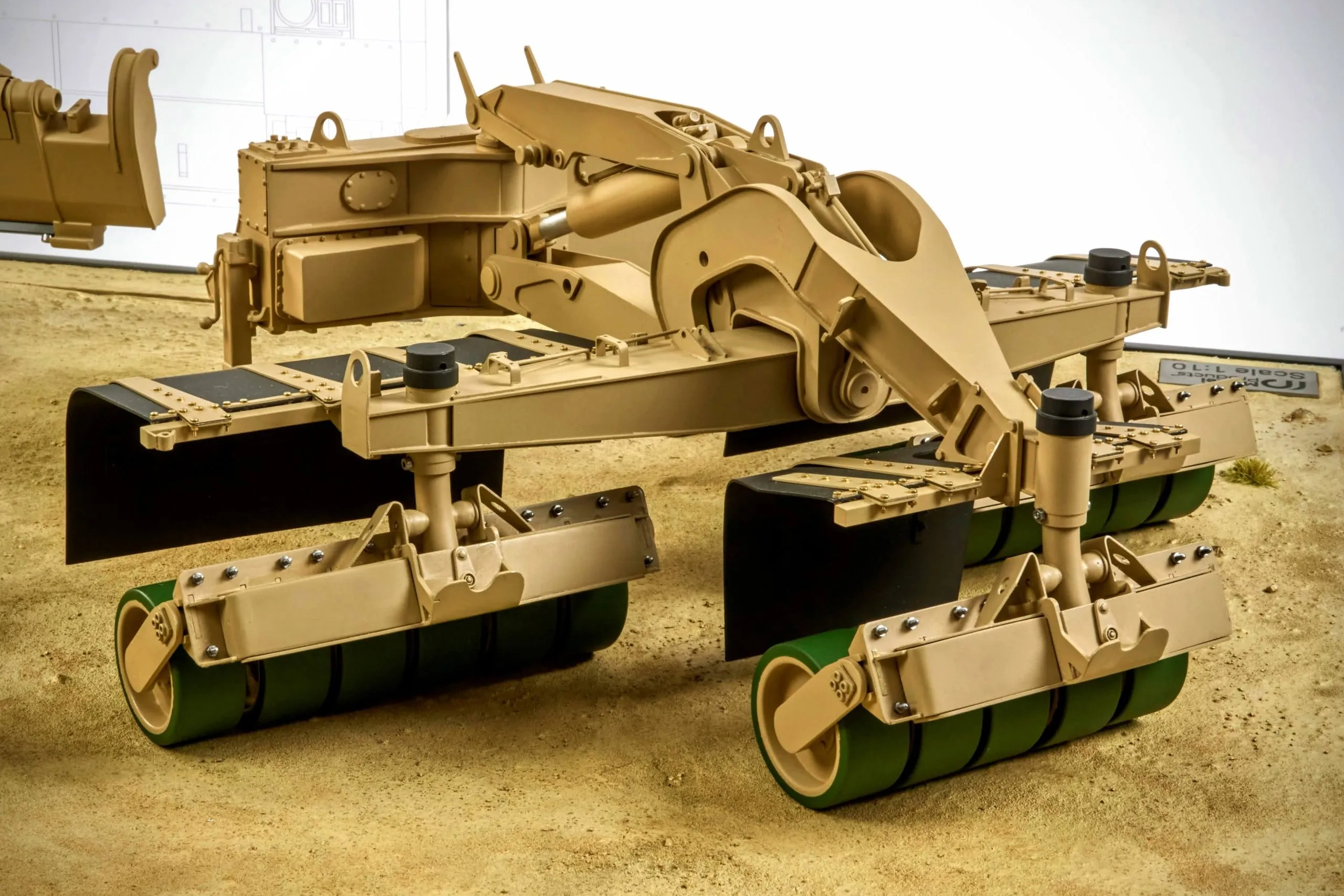
How are scale models in the UK used in MOD procurement and capability decisions?
Scale models are used in MOD procurement to support structured discussions around capability options, system integration, spatial constraints and programme trade-offs. They help decision-makers visualise implications without relying solely on abstract documentation.
Supporting evidence and context
DE&S manages complex acquisition programmes requiring clear communication between military users, engineers and commercial teams.
https://www.gov.uk/government/organisations/defence-equipment-and-support
Procurement reform and capability integration are recurring themes in MOD publications.
https://www.gov.uk/government/publications
Example scenarios
A bidder preparing for a major competition may use a model to support internal reviews or controlled customer briefings, ensuring consistency of messaging.
Additional nuance
Models used in procurement environments are typically non-operational and carefully governed to avoid disclosure of sensitive performance data.
Where do scale and replica models in the UK add value across land, air, maritime and joint domains?
Scale and replica models add value wherever complex defence capabilities must be understood holistically, including land systems, aerospace platforms, naval vessels and joint or multi-domain operations.
Supporting evidence and context
The UK defence industry spans multiple domains, supported by organisations such as ADS Group and Make UK.
https://www.adsgroup.org.uk/
https://www.makeuk.org/
Domain examples
- Land: Vehicle integration, protected mobility, base infrastructure
- Air: Aircraft configuration, payload integration, ground support
- Maritime: Ship layout, topside systems, dockside infrastructure
- Joint: Multi-domain capability demonstrations and briefings
Additional nuance
Joint and cross-government contexts particularly benefit from physical models due to varied technical backgrounds among stakeholders.
Discuss Your Defence Model Requirement with a Specialist
How do defence presentation models support competitive bids and stakeholder engagement?
Defence presentation models help bidders and programme teams communicate capability clearly, consistently and professionally during competitive tenders and stakeholder engagement. They reduce misunderstanding and reinforce credibility.
Supporting evidence and context
Competitive defence environments require clarity and trust, particularly during structured engagement phases aligned with MOD guidance.
https://www.gov.uk/government/organisations/ministry-of-defence
Example scenarios
A prime contractor may use a presentation model during controlled briefings to illustrate system architecture while keeping sensitive detail abstracted.
Additional nuance
Well-designed models can be reused across bid phases, exhibitions and internal engagement, improving return on investment.
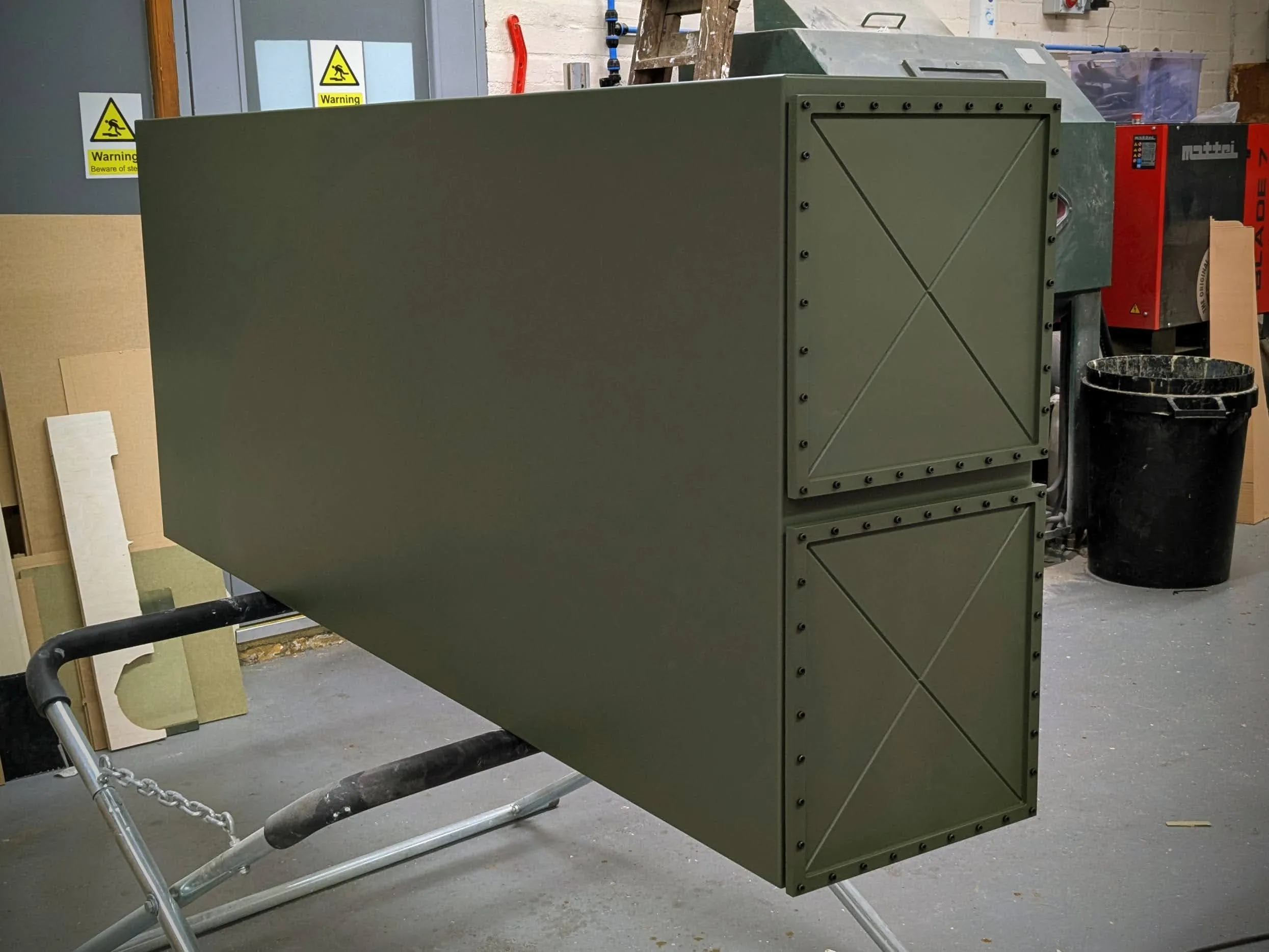
How are scale & replica models in the UK used in engineering development, integration and trials?
Physical models are used during engineering development to support integration reviews, spatial assessments and cross-discipline communication. They provide a tangible reference point when multiple subsystems interact.
Supporting evidence and context
Capability integration is a recognised challenge across defence programmes, frequently discussed by RUSI and UK defence engineering bodies.
https://www.rusi.org/
https://www.engc.org.uk/
Example scenarios
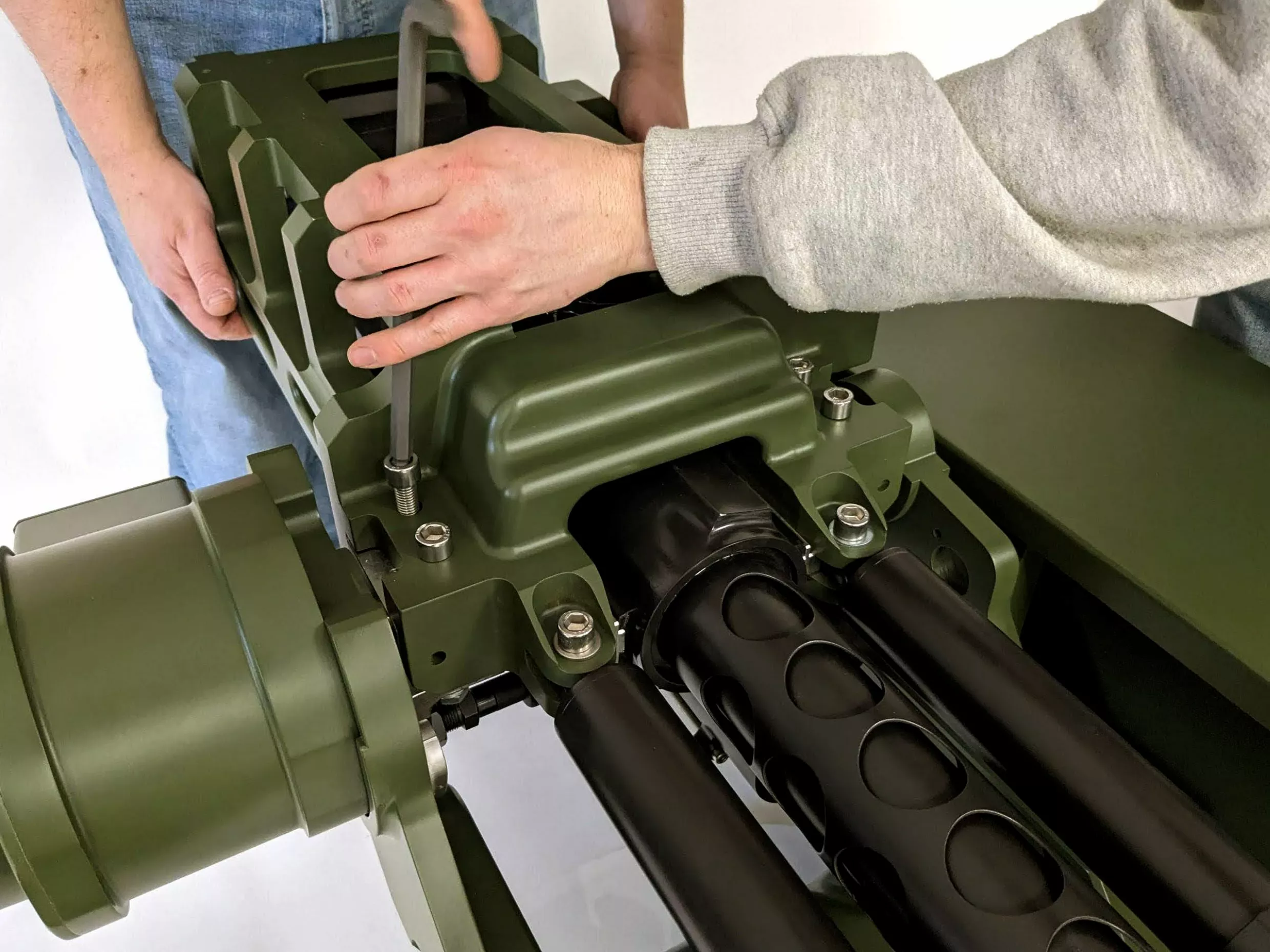
Engineering teams may use a sectional model to review access, maintainability or integration issues before committing to detailed design changes.
Additional nuance
Models used in engineering contexts prioritise accuracy and proportion rather than cosmetic finish.
What role do physical scale and replica models in the UK play in training, museums and public engagement?
Physical models support training, education and public engagement by making defence capability understandable without exposing operational systems. They are widely used in military training environments and accredited museums.
Supporting evidence and context
UK defence heritage and education initiatives are supported by bodies aligned with the Armed Forces Covenant and defence museums.
https://www.armedforces.co.uk/
Example scenarios
Training establishments may use simplified models to explain platform layout, while museums use high-fidelity replicas to educate the public.
Additional nuance
Models intended for public display are designed with durability and interpretive clarity in mind rather than technical completeness.
What quality, standards and governance considerations apply to defence models?
Defence models must meet appropriate quality, governance and security expectations aligned with UK defence and manufacturing standards. This includes materials, accuracy, data handling and supplier reliability.
Supporting evidence and context
Relevant frameworks include guidance from BSI Group and UKAS.
https://www.bsigroup.com/en-GB/
https://www.ukas.com/
Key considerations
- Controlled handling of source data
- Appropriate materials and finishes
- Clear documentation and traceability
Additional nuance
Not all defence models require formal certification, but professional governance is essential for trust.
How do physical models complement digital twins, simulation and virtual training?
Physical models complement digital twins by providing intuitive, shared understanding that supports discussion and decision-making. Together, they form a layered communication approach.
Supporting evidence and context
DSTL and defence research bodies continue to explore blended physical-digital approaches.
https://www.gov.uk/government/organisations/defence-science-and-technology-laboratory
Example scenarios
A digital twin may be used for detailed analysis, while a physical model anchors high-level discussions.
Additional nuance
The most effective programmes use both tools strategically rather than treating them as alternatives.
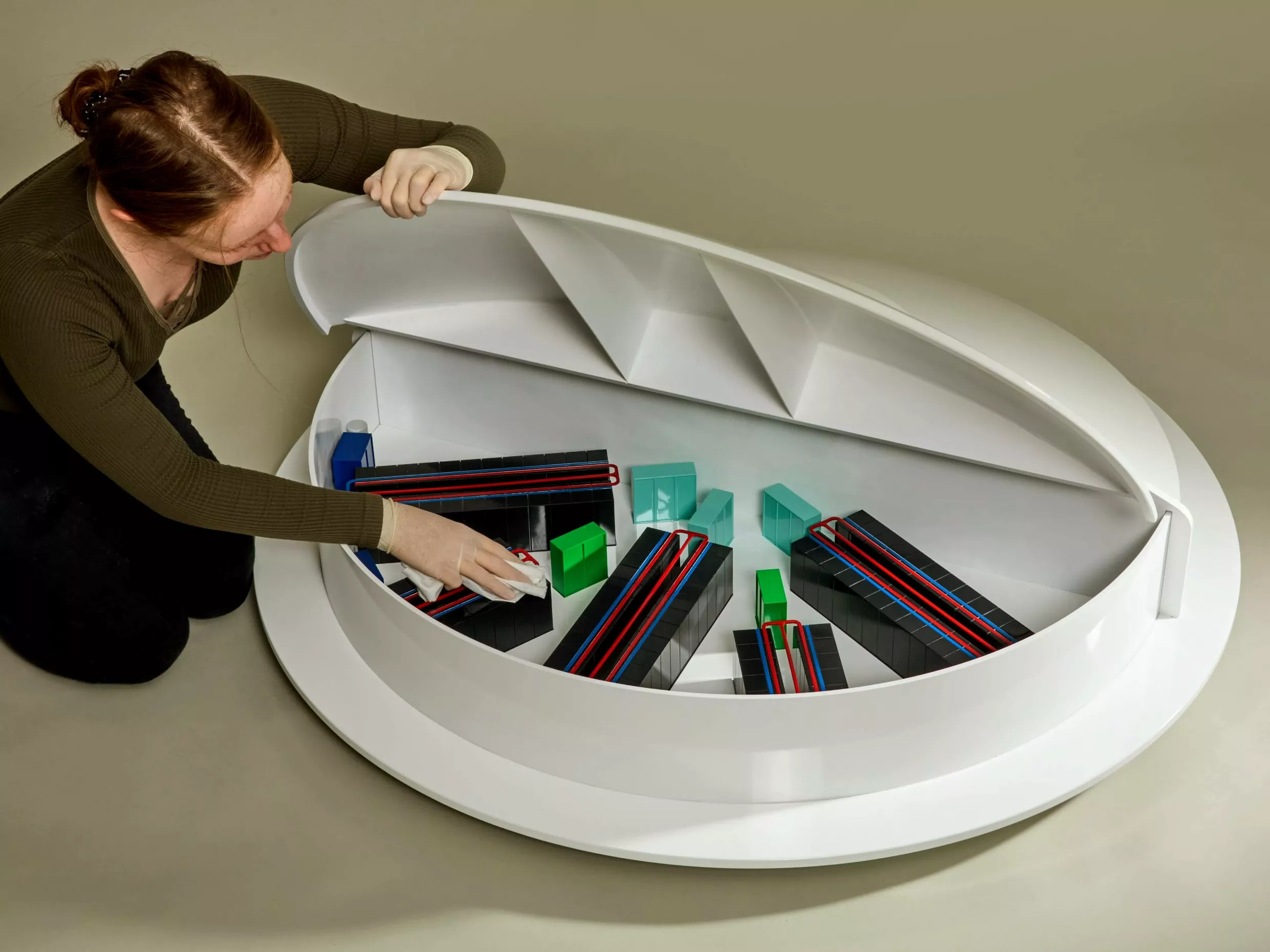
How can organisations commission the right scale model partner for UK defence work?
Choosing the right defence model partner requires experience with MOD environments, understanding of governance requirements and the ability to deliver accurate, professional models reliably.
Supporting evidence and context
The UK defence supply chain values proven capability and long-term relationships.
https://www.adsgroup.org.uk/
What to look for
- Demonstrated defence and aerospace experience
- Secure handling of information
- Understanding of procurement and engagement contexts
Additional nuance
Early engagement with a specialist partner helps define scope, scale and appropriate fidelity.
What Makes an Effective Defence Exhibition Model?
TL;DR: An effective defence exhibition model is a precision‑engineered, securely transported physical representation that meets ADS‑aligned quality standards, communicates capability clearly to mixed stakeholder groups and withstands repeated DSEI/Farnborough...
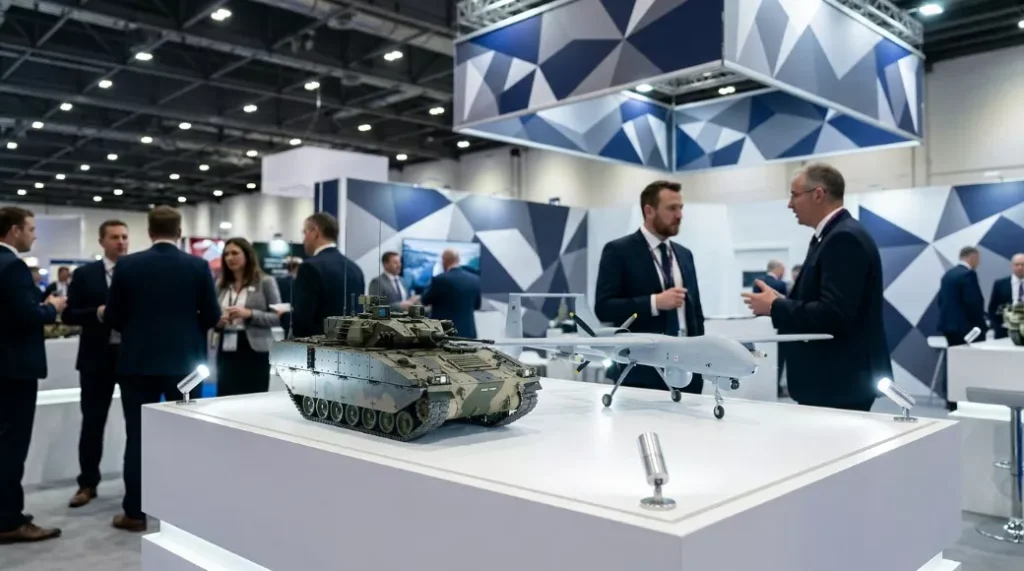
What Makes an Effective Defence Exhibition Model?
TL;DR: An effective defence exhibition model is a precision‑engineered, securely transported physical representation that meets ADS‑aligned quality standards, communicates capability clearly to mixed stakeholder groups and withstands repeated DSEI/Farnborough...
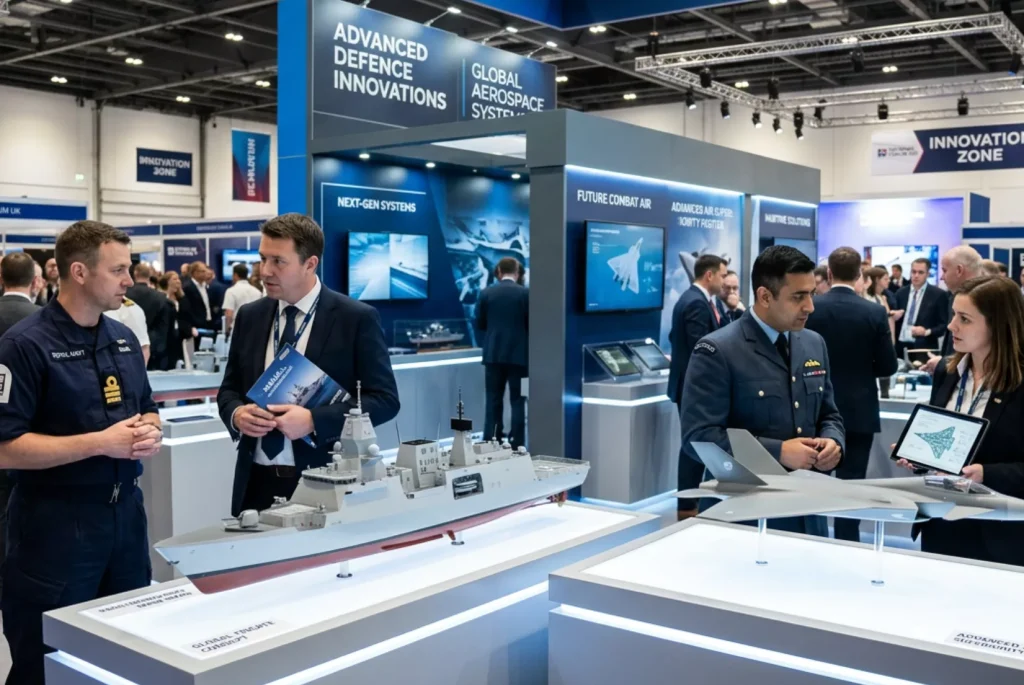
How Exhibition Defence Models Are Used at DSEI and Farnborough
TL;DR Exhibition defence models at DSEI and Farnborough give primes, SMEs and Tier 2/3 suppliers a neutral, trusted way to turn complex platforms into tangible talking points for MOD, DE&S and international delegations, supporting serious capability discussions...
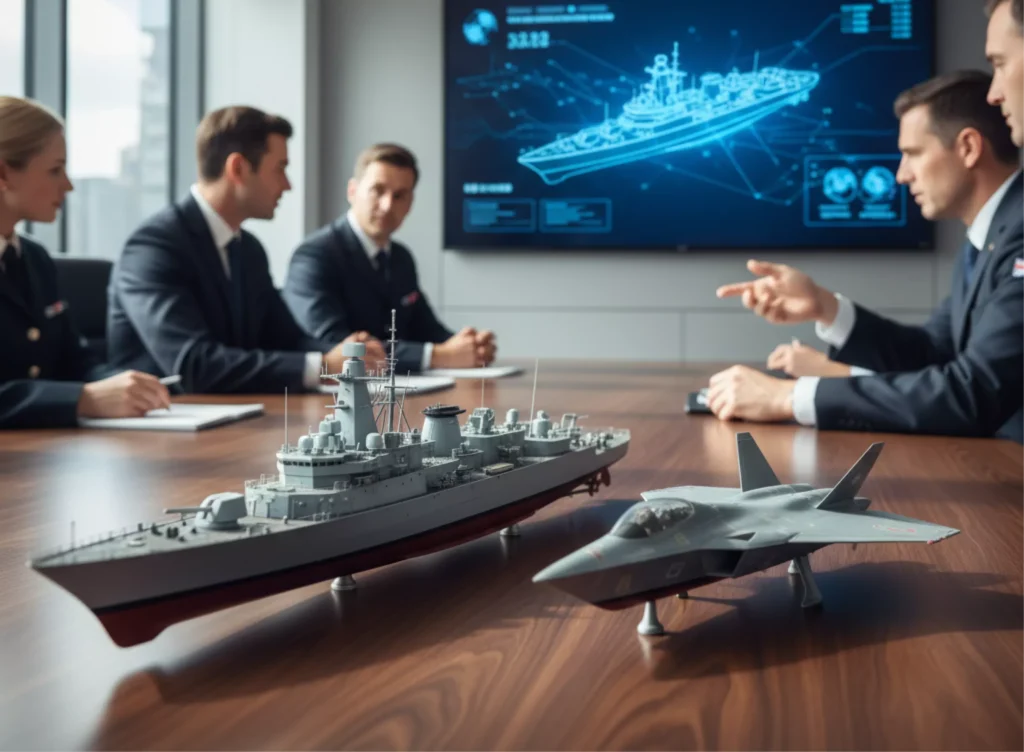
Why Physical Defence Models Still Matter in a Digital-First Industry
Physical defence models remain essential tools for UK defence primes and innovation teams, even as digital twins, VR and simulation reshape capability development. Far from being legacy artefacts, physical defence models serve a distinct and complementary role within...
Frequently Asked Questions
How are scale models used in MOD procurement presentations?
Scale models help procurement teams visualise capability options, spatial constraints and integration challenges, supporting clearer discussion and decision-making without relying solely on technical documentation.
What security considerations apply when commissioning defence models?
Models are designed to avoid sensitive detail, with controlled handling of source data and clear agreement on what can and cannot be represented physically.
How long does it take to commission a bespoke defence scale model?
Timelines vary by complexity and scale, but most professional defence models are delivered within weeks to a few months following scope definition.
What qualifications should a defence model partner have?
Experience with MOD or defence contractors, understanding of governance expectations, and a track record of delivering accurate, professional models are key indicators.
How do physical models work alongside digital twins?
Physical models support shared understanding and discussion, while digital twins provide detailed analysis; together they strengthen communication and decision-making.
Approved Sources Used
- Ministry of Defence – https://www.gov.uk/government/organisations/ministry-of-defence
- Defence Equipment & Support – https://www.gov.uk/government/organisations/defence-equipment-and-support
- Defence Science and Technology Laboratory – https://www.gov.uk/government/organisations/defence-science-and-technology-laboratory
- RUSI – https://www.rusi.org/
- ADS Group – https://www.adsgroup.org.uk/
- Make UK – https://www.makeuk.org/
- BSI Group – https://www.bsigroup.com/en-GB/
- UKAS – https://www.ukas.com/
- Armed Forces Covenant – https://www.armedforces.co.uk/
Authored by Defence Models UK
Defence Models UK is a UK-based specialist manufacturer of defence, aerospace and government presentation, display and training models, with over 60 years’ experience supporting MOD, DE&S and defence contractors.